
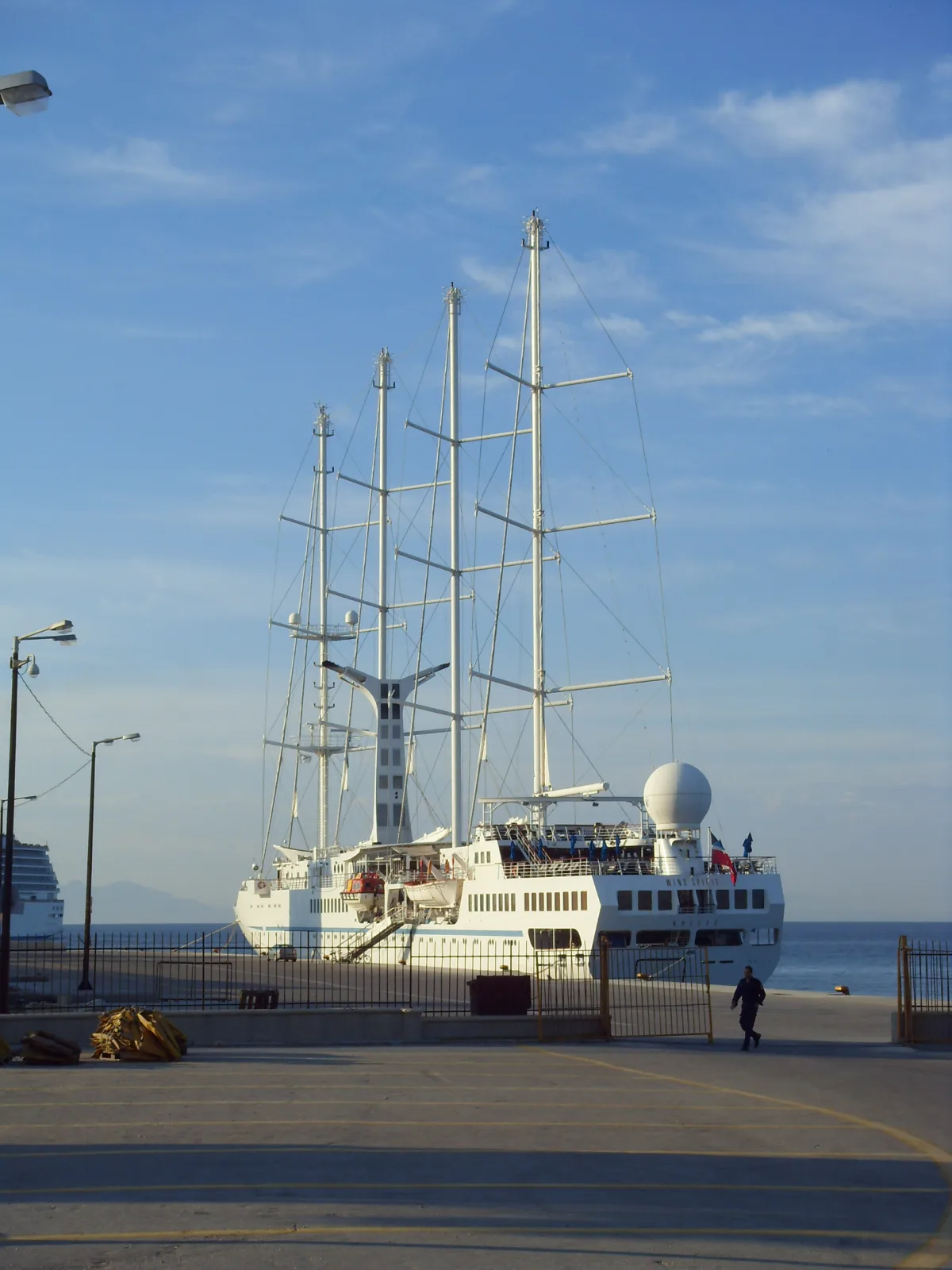
A sailing cruise is quite different from a trip on a large cruise ship. Fewer passengers, smaller cabins and a daily schedule more influenced by the weather are common features. Some ships regularly sail under sail, while others combine sails and engines. If you are looking for an authentic sailing experience, check carefully how the ship you choose is actually operated.
What sets sailing cruises apart
- Tall ships, motor sailers and sailing yachts offer very different travel experiences.
- Small ships can reach ports and bays unsuitable for large ocean-going vessels.
- Routes and port times may depend more heavily on wind, weather and local conditions.
- Cabins and public areas are usually more compact than on large cruise ships.
- Stairs, thresholds and narrow gangways can make it harder to get around on board.
- Whether guests are allowed to help set the sails depends on the ship and its safety procedures.
As an alternative, it is worth comparing a traditional ocean cruise or a Mediterranean cruise on a larger ship. Those expecting a wide range of onboard entertainment will generally find more choice there. A sailing cruise is better suited to travellers who place greater value on the ship, the sea, time in port and a more personal atmosphere.
Tall ships, motor sailers and sailing yachts
Tall ships stand out for their multiple masts and traditional rigging. Modern sailing cruise ships nevertheless have engines, navigation technology and up-to-date safety equipment. The engine is used, among other things, when the wind and schedule do not align or when manoeuvring in port. You should therefore not expect a voyage entirely under sail without explicit confirmation.
Smaller sailing yachts often have even fewer cabins and a more informal life on board. This can offer an immersive experience of nature, but calls for greater tolerance of close quarters and the ship’s movement. Before booking, compare the ship’s size, stabilisers, cabin location and accessibility.
Cruising regions and choice of ports
The Mediterranean offers numerous islands and short distances between ports. In the eastern Mediterranean, many itineraries connect Greek islands and historic port cities. The western Mediterranean, by contrast, offers destinations in Spain, France and Italy, as well as island regions.
The Caribbean is also a popular sailing region. Trade winds, short distances between islands and small ports are part of its appeal, while tropical heat and seasonal storm risks should be factored into the timing of your trip. Around the Canary Islands, wind and Atlantic swells deserve particular consideration when choosing an itinerary. A transatlantic cruise, by contrast, centres on many days at sea and changing weather zones.
Life on board and cabins
On smaller ships, restaurants, lounges and decks are quick to reach. At the same time, there are fewer places to retreat to in bad weather. Cabins may be narrower and offer less storage space. If you are sensitive to the ship’s movement, consider a cabin as low down and near the centre of the ship as possible, and seek medical advice about seasickness.
Dress codes and service range from casual to upscale. Water-sports platforms, tender boats and opportunities to swim are not available on every itinerary either. The key factors are the description of the specific ship’s facilities and the conditions of the particular trip.
Weather, safety and changes
Wind is part of the experience, but it can also lead to changes. The captain and cruise line decide on sail use, itinerary adjustments and port calls. The German Meteorological Service provides current marine weather information; for travel decisions, you should also consult the cruise line’s updates.
Sturdy shoes, sun protection and windproof clothing are useful on deck. Passengers should expect steeper stairs, higher door thresholds and moving gangways. Anyone with limited mobility should ask for written confirmation of accessibility.
Who is a sailing cruise right for?
Sailing cruises suit travellers who appreciate small ships, maritime routines and spending longer periods on deck. Those looking for big shows, numerous restaurants, expansive pool areas or an extensive children’s programme should also compare a family cruise on a larger ship. The decision depends not just on the number of masts, but also on the itinerary, cabin, onboard concept and how much flexibility you are willing to accept when the weather changes.

