
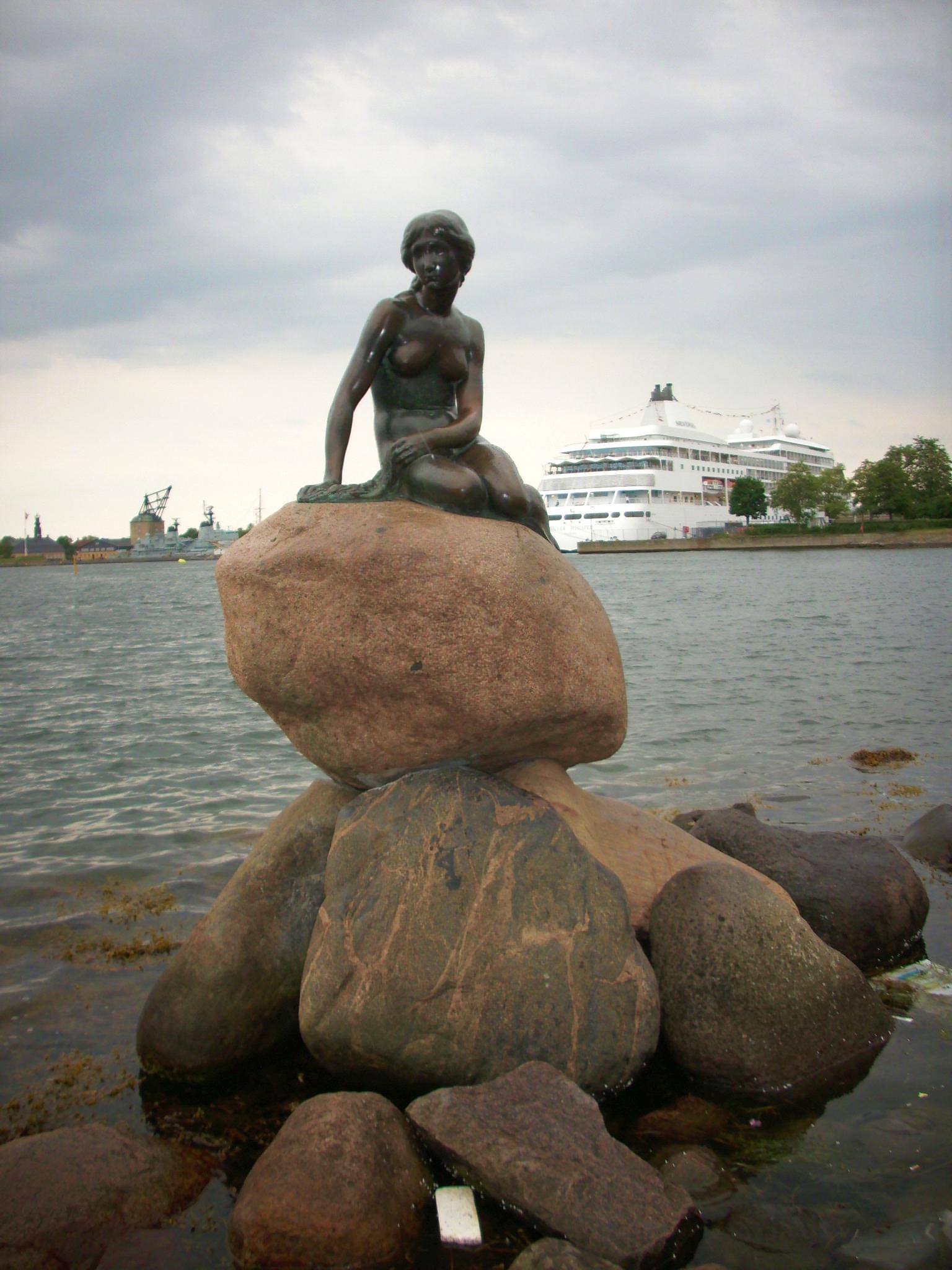
A Baltic Sea cruise connects coastal cities and island regions through ports that are relatively close to one another. Depending on the itinerary, the focus may be on several capitals, smaller port towns, or a longer stay in one particular region. The key factors when choosing are the precise port sequence, the time available ashore, and the actual terminal.
Compare port sequences, not the number of countries
The number of countries visited says little about how much time you will have in each place. An itinerary with frequent, short stops offers variety, while longer port stays leave more room for sightseeing. For travel planning, it also matters whether the cruise begins and ends at the same port or uses different embarkation and disembarkation ports.
A 10-night Royal Caribbean itinerary aboard the Jewel of the Seas illustrates one such sequence of ports: it starts in Copenhagen and calls at Aarhus, Warnemünde, Rønne, then has a sea day, followed by Klaipėda, Visby, Riga, Tallinn, and Helsinki, before ending in Stockholm. The example itinerary links Danish and German Baltic ports with destinations in the Baltic states and Sweden; embarkation and disembarkation take place in different cities. This port sequence is an example, not a fixed schedule: changes may be necessary for weather, safety, or operational reasons. The port stays and sea days on the departure you book determine how much time you have ashore.
Copenhagen’s cruise terminals are located in different parts of the city. In Tallinn, the cruise terminal is at Logi tn 4/2; according to the port operator, the Vanasadam and Linnahall tram stops are each about 500 metres away. For transfer planning, the terminal used for your specific departure is therefore what matters.
Plan shore visits realistically
For a shore visit, the location of the port and terminal matters as much as the name of the city. The distance from the ship, security and transfer procedures, and the need to return before departure all affect how much time is actually available. With short port stays, sights close to the port are usually more practical than several attractions spread far apart.
Seasonal and winter conditions
Conditions on the Baltic Sea vary throughout the year. The Swedish Meteorological and Hydrological Institute (SMHI) typically monitors ice conditions in the Baltic region from November to May and publishes analyses and forecasts. Ice can therefore be a factor for navigation in winter; its significance depends on the season and the route being sailed.
Port sequence, time ashore, and season
When comparing itineraries, consider the countries and actual ports of call as well as port stays and sea days. Other factors include the distance from the terminal to places of interest, access to the ship, and the time of year. Taken together, these factors show whether an itinerary offers mostly short city visits, longer stays ashore, or more time on board.


