
Destinations | Cruise ships | Ports for your cruise | Cruise lines | Cruise Tips | Cruise Photos | Cruise News
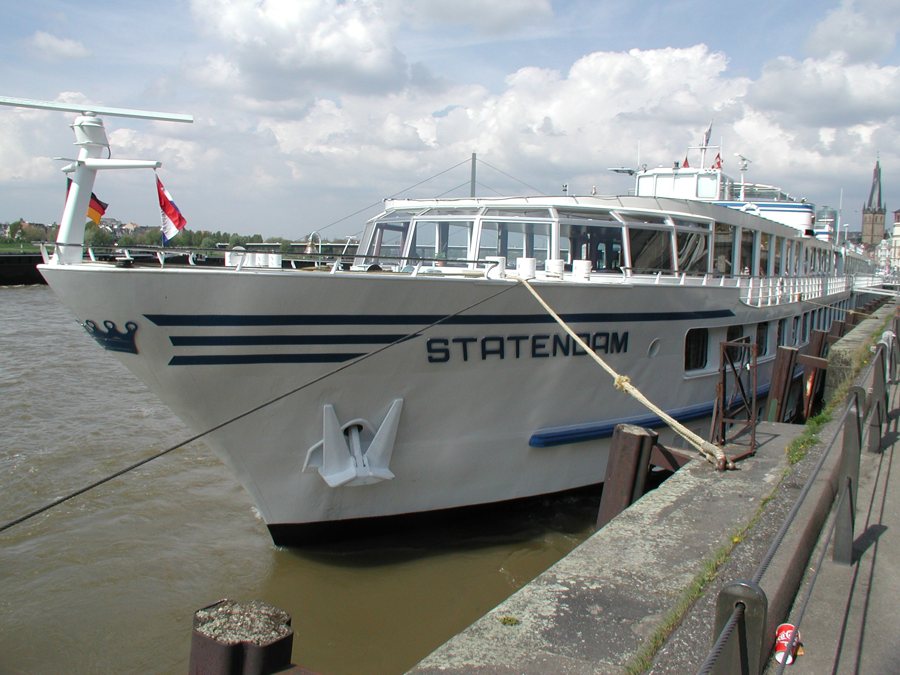
Port, Starboard, Bow and Stern
Bow, stern, port and starboard identify locations aboard a ship from the ship’s perspective. Bow and stern name its two ends; port and starboard, its two sides. Facing the bow, port is on the left and starboard on the right. This fixed orientation helps when crew and guests talk about a location on deck.
Bow and stern
The bow is the forward end of a ship, and the stern is its aft end. The terms “forward” and “aft” therefore refer to the ship’s lengthwise direction, not to a person’s location or direction of view. “Ahead” and “astern” likewise describe directions along this axis: toward the bow or toward the stern. They indicate directions; bow and stern refer to the end areas themselves.
On a cruise ship, for example, an announcement might refer to a meeting point at the bow or an entrance in the stern area. The terms remain clear even when the ship is moving or someone turns around on board. Other technical terms are used for the ship’s movement around its axes: rolling, pitching and yawing describe different movements and should not be confused with bow and stern.
Port and starboard
To identify the sides unambiguously, imagine facing forward toward the bow. Port is on the left, starboard on the right. This assignment is the same throughout the ship and does not depend on where you are standing. If you turn around and face the stern, the starboard side appears on your left from your own perspective; it is still starboard. This distinguishes the fixed nautical terms from “left” and “right,” which can be confusing without a shared direction of view.
Wind directions are also often described relative to the ship. Windward and leeward refer to the side facing the wind and the side sheltered from it; they are not other names for port and starboard. Depending on the wind, the windward side may be either side of the ship.
An example of orientation
A person in the midships area faces toward the bow. Port is on their left and starboard on their right. They then turn around to face the stern, and the same starboard side now appears on their left. For a second person who continues to face the bow, it is on the right. Both are describing the same side of the ship, even though their personal perceptions of left and right differ.
A ship’s position in the water can also change because of its inclination or loading. Heel and trim help explain these differences; however, they do not change which side is called port or starboard.
A simple rule to remember: Bow forward, stern aft; facing the bow, port is left and starboard is right.
Photo: Markus Lenk
