
Destinations | Cruise ships | Ports for your cruise | Cruise lines | Cruise Tips | Cruise Photos | Cruise News
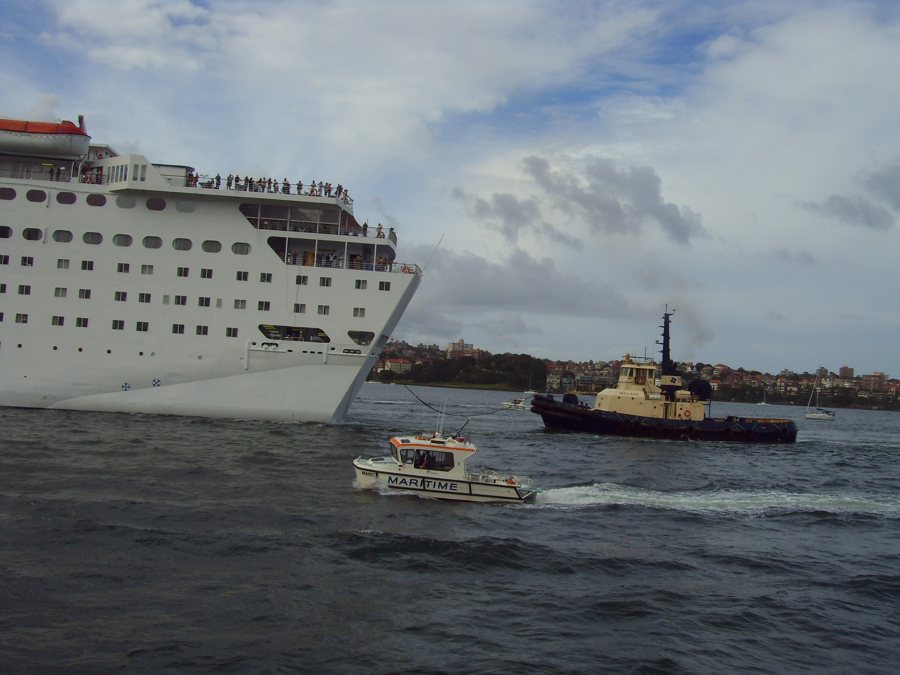
Tugs in port: what harbor tugs are used for
A harbor tug is a maneuverable workboat that assists larger vessels during port maneuvers with additional pulling or pushing power. A tug can accompany a vessel as it enters or leaves port, help move it between berths, or work alongside it. The cruise ship’s navigation is directed by its bridge team; the pilot contributes local knowledge of the waterways. The tug’s use and working method depend on the specific operation and local requirements; the relevant port authorities are involved in port operations.
Typical duties
In assisted towing, a tug works in coordination with a vessel that is maneuvering. Depending on the situation, it may pull, push, or work alongside. Assistance is particularly relevant during berthing and unberthing maneuvers when additional control or power is needed. Harbor tugs also carry out towing operations independently, for example involving objects without their own propulsion. Such assignments are distinct from assisting a cruise ship: they involve other vessels and may follow a different work plan.
Planning takes account of the vessel being assisted and the circumstances of the maneuver. These include the vessel’s characteristics and condition, possible navigational restrictions, and the prevailing conditions at the quay and berth. A harbor tug must be suitable for the intended task, and the parties involved must agree on how to proceed.
Why each operation is different
The UK Maritime and Coastguard Agency describes vessel assistance as a planned, coordinated operation: the tug master, pilot and/or vessel’s bridge team agree on the operation, the method, and the necessary steps. Planning takes into account the characteristics of the vessel being assisted, local circumstances, and possible navigational restrictions. Clear communication between the vessels involved is also part of a safe operation.
The tug’s crew also assesses whether the planned assistance can be carried out safely. The MCA says it is the tug master’s responsibility to assess the risks and circumstances, use suitable working methods, and prepare the tug’s equipment for the operation. Which tugs are available and which method is appropriate therefore depends on more than a fixed set of vessel-type rules.
Role in the overall operation
A harbor tug provides additional maneuvering power and another working position within port operations. The vessel’s bridge team remains responsible for its ship; coordination with local pilots and tug crews organizes how they work together. On board a cruise ship, towing maneuvers are usually part of entering or leaving port. The specific operation may vary depending on the port, berth, weather, and operational plan.
Whether assistance is provided, how many boats are involved, and whether they pull, push, or work alongside are determined by local planning and the specific circumstances of the maneuver.
Photo: Markus Lenk
