
Destinations | Cruise ships | Ports for your cruise | Cruise lines | Cruise Tips | Cruise Photos | Cruise News
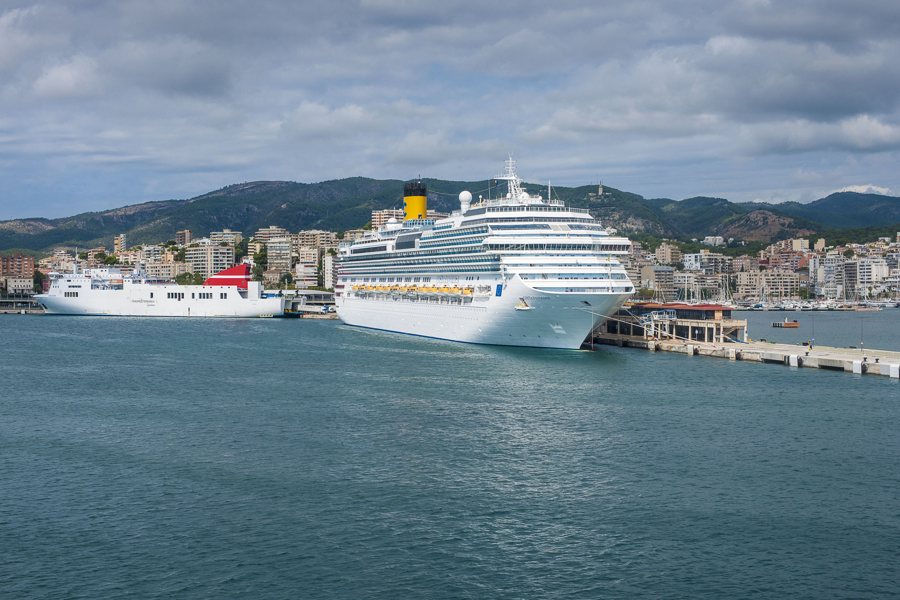
Cruise Ship, Ocean Liner, and Passenger Ship
“Passenger ship,” “ocean liner,” and “cruise ship” describe different aspects of a vessel; they are not three mutually exclusive, clearly delineated categories. The first term can refer to a regulatory definition, the second evokes a historical form of transport, and the third suggests a travel offering. Depending on its use and context, one and the same vessel may fit more than one description.
Passenger ship: the people on board
In everyday usage, a passenger ship is intended to carry people. The International Maritime Organization’s (IMO) SOLAS regulations set a more precise threshold: under those rules, a ship is a passenger ship if it carries more than twelve passengers. This definition applies to the relevant set of regulations; it does not automatically describe a ship’s facilities, comfort, or tourism-related purpose.
Regulatory texts may also define different ship types for specific safety requirements. The IMO notes that there are no universally applicable definitions for all ship types. A legal classification should therefore always be linked to the convention or section of the regulations being cited. Separate from this is technical classification and ship class, which refers to the rules of a classification society.
Ocean liner: a connection across the ocean
“Ocean liner” chiefly evokes the historical concept of regular passenger services between distant ports, such as a transatlantic route. In a scheduled service, recurring departures and connections between places take center stage. The historical term “steamship” does not, by itself, indicate the type of propulsion used by a modern vessel.
A liner may also be used for cruises. In that case, the terms describe different uses of the same vessel, rather than necessarily marking a structural distinction between two ship classes. Historical profiles should be understood in their time frame: a vessel may change its role over the course of its life. Sections, assembly, and undockingare, by contrast, stages in a ship’s construction.
Cruise ship: the journey as a vacation
For a cruise ship, the vacation itself, with several destinations, is central. The ship does more than carry guests from one port to the next; it is also part of their stay and the travel experience on offer. The distinction from scheduled service therefore lies mainly in the purpose and itinerary of the particular trip. Routes, uses, and marketed offerings can change. By contrast, hull and materials are a separate topic concerning construction and materials, independent of how a vessel is used.
The terms can overlap
To classify a vessel, it helps to ask which aspect is meant: passenger transport, regular service, a vacation voyage, or a definition in a particular set of regulations. The specific vessel, the time period, and the context in which it is used all matter. Historical terms or a vessel’s previous use should not be treated as descriptions of its current operating type without reference to the relevant time period.
The IMO overview of safety regulations for ship types gives the SOLAS definition of a passenger ship and explains that ship-type designations are defined in individual conventions.
Photo: Alesia Belaya
