
Destinations | Cruise ships | Ports for your cruise | Cruise lines | Cruise Tips | Cruise Photos | Cruise News
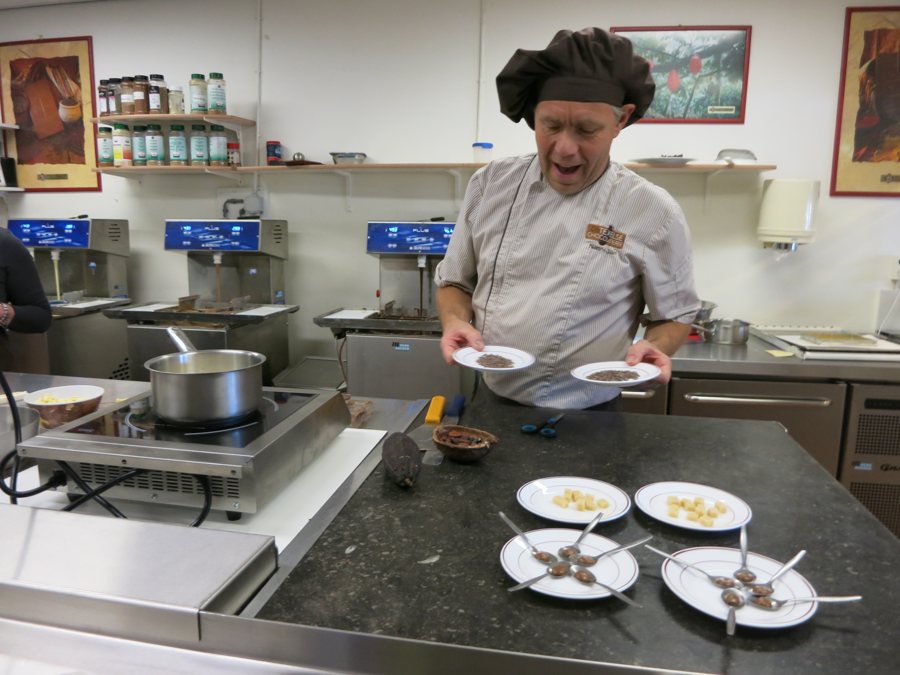
Cooking Classes and Culinary Workshops
“Cooking class,” “workshop” and “live cooking” do not always mean the same thing. For guests, the key question is whether they perform a step themselves, watch a demonstration or mainly sample a dish. A tasting can be informative, but it is not a cooking class. On culinary-themed trips, a recurring focus brings several activities together. The description should make the format clear.
Take part or watch?
In a hands-on workshop, guests prepare something themselves or practise a technique. A demonstration, by contrast, mainly shows how a chef works; questions or tastings may be included. The official Mein Schiff fleet page describes workshops in which guests get involved, with sushi and creating their own gin as examples. Tastings are listed separately as events where guests can learn about wine, whisky, meat or chocolate, for example. This illustrates the different types of culinary events on board, but does not prove that they are offered on every trip or ship. Mein Schiff: restaurants and bistros
What you learn and how it works
A clear description explains what participants will actually do and what the session covers. For example, “sushi workshop” does not specify which preparation steps guests will handle. Nor does the title alone tell you whether the event is a brief introduction or a more in-depth learning experience. If you want to learn a particular technique, look for details about the hands-on element; if you mainly want to sample food, a tasting or demonstration may be a better fit. Restaurants and dining options on boardprovide the usual setting for meals.
Distinguishing the trip from the booking
Culinary events may be individual add-on activities during a cruise. Their title does not automatically make the entire trip a cooking-themed cruise. Whether a class is offered, whether places need to be reserved and whether there is a charge depend on the specific trip and event. Reliable details belong in the description for the relevant departure; a general fleet overview does not set these conditions. A sense of place can also come through regional cuisine and food culture.
Three points are useful for comparison: hands-on participation or watching, a clear learning objective or simply a taste, and a general fleet example or an offer confirmed for the specific trip. This makes it easier to judge whether an advertised workshop matches your interests.
Photo: Markus Lenk
