
Destinations | Cruise ships | Ports for your cruise | Cruise lines | Cruise Tips | Cruise Photos | Cruise News
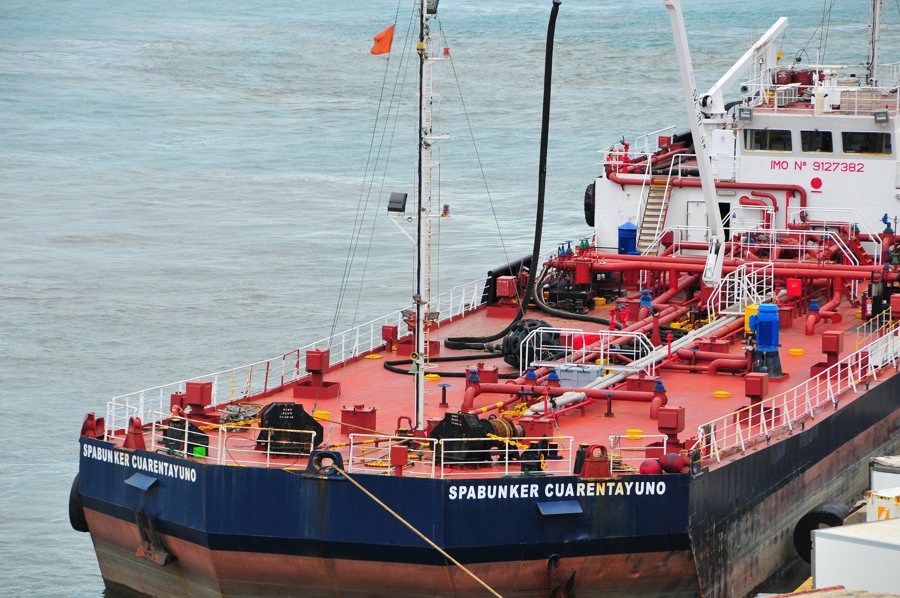
IMO Number: Identifying a Ship
The IMO number helps identify a ship even if its name, flag or owner changes. It is therefore a useful identifier for readers of cruise ship profiles: two ships with similar names are not necessarily the same ship, and a ship that has been renamed is not automatically a new build.
What the identifier refers to
The International Maritime Organization (IMO) uses the letters “IMO” followed by seven digits as a ship identifier. It remains the same throughout a ship’s lifetime, even if its name, flag, ownership or ship type changes. Identifiers of ships that are no longer in service are not reassigned. The IMO notes that the number may be extended to eight digits in the future if necessary.
A ship’s number should not be confused with identifiers for companies and registered owners. Those numbers refer to an organization, not to an individual hull. Since December 2025, the IMO identifier for ships and the identifiers for companies and registered owners have been combined in an integrated IMO system; the identities remain distinct identifiers.
Compare a profile carefully
To identify a cruise ship, use the full number together with the period covered by a source. For example, an article may use an earlier name, while a more recent source lists the ship under another name. If the identifier and the time period match, that points to the same ship despite the name change. A similar spelling or a familiar brand alone is not enough to establish this.
A careful comparison records the name, IMO number, source and date of each statement separately. This makes it clear whether two sources describe the same object and whether their information refers to the same period. If a source does not provide a number, the identification remains unresolved; a missing value is neither zero nor proof that a feature does not exist. A question mark, too, may simply indicate an unresolved identification, not a confirmed data value. The article Ship Names and Prefixes explains the meaning of ship names and prefixes.
What the IMO number does not tell you
The identifier identifies a ship, but it does not contain a current itinerary or up-to-date information about amenities or port calls. On its own, it cannot tell you the ship’s current route, whether a restaurant is open or whether a cabin is available. For such details, you need a source that describes the specific information for the relevant period.
Identity and currency are therefore two different questions. A clearly identified old document may be valuable for a historical account, but it may not be sufficient for information about current amenities. In a retrospective account, the ship’s former name often helps readers understand the story; the time period must remain clear. A former association with a cruise line brand does not automatically prove a current affiliation either.
Example of an unresolved identification
Two documents use different ship names and provide no IMO number. At first, this does not establish either that they refer to two ships or that one ship was renamed. Without additional evidence of identity, the two pieces of information must remain separate; a shared chronology has not yet been established. This methodological example does not describe a specific incident.
The IMO identifier is therefore a reliable anchor for a ship’s identity, not a substitute for time-specific sources about every other attribute. The History and Technology Dossier explores the technical and historical context in greater depth. You can look up specific profiles in the Ship Directory; the IMO explains ship and company identifiers.
Photo: Alesia Belaya
