
Destinations | Cruise ships | Ports for your cruise | Cruise lines | Cruise Tips | Cruise Photos | Cruise News
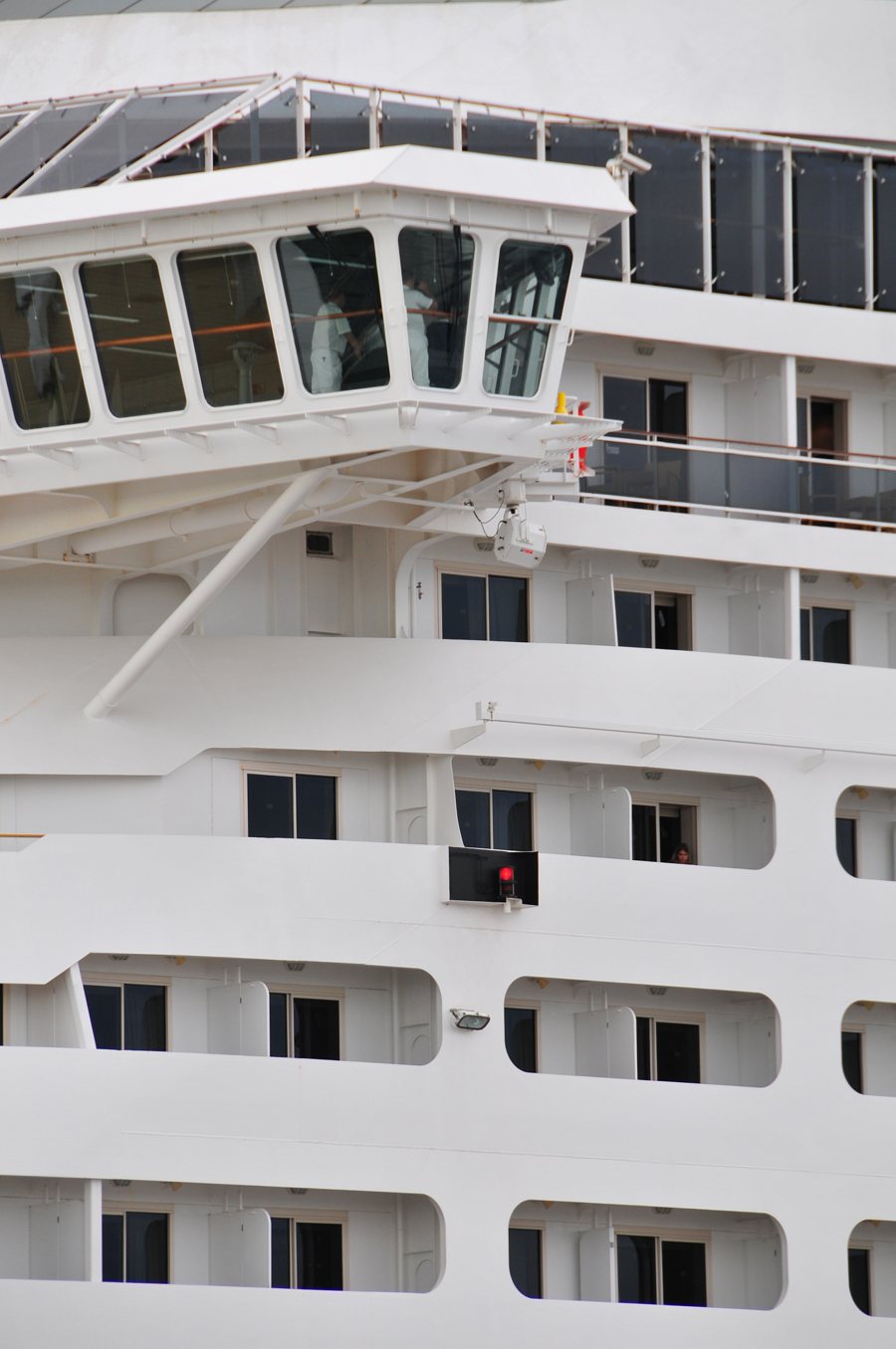
Captain, Navigational Officers and the Bridge Team
The bridge is not a workplace where the captain alone controls every change of course. The navigational watch distributes duties among qualified personnel; who is actually present depends, among other things, on the ship, traffic, visibility, weather and workload.
The captain and the navigational watch
The captain ensures that the watches are organised appropriately for a safe navigational or cargo watch. Under the captain’s general direction, the officers of the navigational watch are responsible for safe navigation while on duty. The officer of the watch acts as the captain’s representative and, during the watch, is specifically responsible for safe navigation and compliance with the collision regulations. So the captain is not simply “relieved” in the sense that overall responsibility is transferred; at the same time, the watch has a clearly designated person with immediate responsibility. Even when a harbour pilot contributes local knowledge of the area, the ship’s command remains responsible for safe navigation.
Roles within the team
The lookout monitors the surroundings by sight, hearing and any other available means, identifies potential hazards and reports changes. This duty requires full attention; the lookout and the helmsman are generally separate roles. The helmsman steers as instructed. The officer of the watch assesses the situation, uses navigational information and equipment, and coordinates the watch. AIS, radar and nautical charts provide different kinds of information, which must be assessed together. Depending on the situation, other officers or crew members may assist on the bridge.
The team must understand its roles, responsibilities and equipment, and share information. If anyone is unsure which action is safe, the STCW Code provides for informing the captain or the officer responsible for the watch without delay. Help must also be able to be called to the bridge immediately if the situation changes.
Staffing depends on the situation
No single fixed staffing arrangement for all cruise ships can be inferred from this. The composition of the watch should take into account factors such as visibility and weather, traffic density, proximity to traffic separation schemes, upcoming manoeuvres, radio communications, the crew’s fitness and experience, and their familiarity with the ship and its equipment. The watch may be configured differently in calm conditions than in dense traffic or during a challenging approach.
For guests, this explains the roles they may see: the captain provides overall leadership, the officer of the watch is responsible for immediate navigation during their watch, and the lookout and helmsman perform their own duties within the team. Terms such as course, heading and bearing distinguish the planned direction of travel, the direction the bow is pointing, and the direction to an object. Names, duty rosters and the number of people vary by ship and situation.
Photo: Alesia Belaya
