
Destinations | Cruise ships | Ports for your cruise | Cruise lines | Cruise Tips | Cruise Photos | Cruise News
Ports with Multiple Terminals: Terminals, Transfers and Shore Visits
A port name does not necessarily refer to a single berth. In large cruise ports, berths and terminals may be spread across several harbours. This makes a practical difference for guests: the route from the ship into the city starts at the actual quay, not at an arbitrary terminal bearing the port’s name.
Quay, berth and terminal
The berth is where the ship moors. A terminal is used to process passengers; it may be right by the quay or in another part of the port. For a shore visit, the quay is often what matters, while a terminal may be relevant mainly for embarkation and disembarkation. Which facilities are used depends on the port and the specific call.
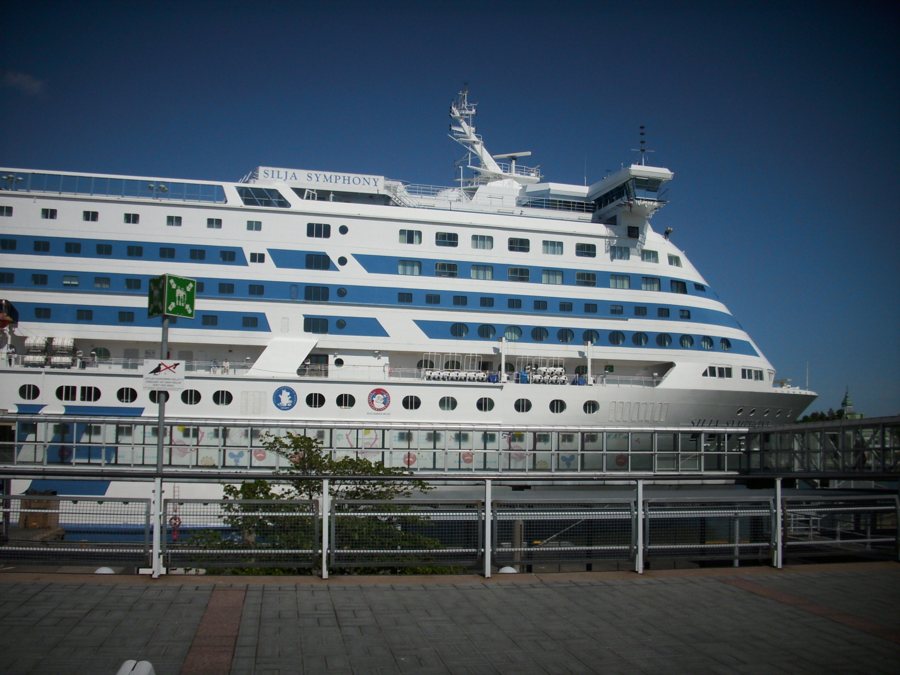
Helsinki shows why the city name alone is not enough: international cruise ships berth at South Harbour, Katajanokka, West Harbour or Hernesaari. The port publishes both a map of cruise berths and a ship schedule listing the respective port areas and berth codes. This makes it possible to distinguish general guidance from the specific assignment for a given day.
Not all transfers are the same
A terminal transfer connects the ship and the terminal building when they are not close to each other. A port shuttle may provide a connection within the port area or towards the city. An excursion bus, on the other hand, is part of a booked tour and follows its itinerary. These three services are not interchangeable, and are not automatically available at every port or included in the cruise fare.
An arrival listed in the schedule as being in the same city also says nothing about whether a shuttle operates or how far a particular journey is. The information provided by the port and cruise line for the specific call is what matters. A map helps you understand the different port areas; the current ship assignment confirms which quay is actually planned.
Check the details of your specific call before going ashore
Before leaving the ship, guests should take note of the port area they have been assigned and the stated return time. If you are planning a city excursion, you should also factor in the transfer departure time and the agreed meeting point. If travelling independently, do not rely solely on the distance from the city centre or on experience from a previous visit: a different berth may mean a different starting point and a different connection.
The ship’s time remains the fixed reference point for your return. If you take a ride into the city or use a port shuttle, check its actual stop and return service, and allow enough time to get back on board. This helps you distinguish between the berth, terminal and transport options without inferring an unconfirmed route or shuttle service from the port name.
Photo: www.neandertours.de
