
Destinations | Cruise ships | Ports for your cruise | Cruise lines | Cruise Tips | Cruise Photos | Cruise News
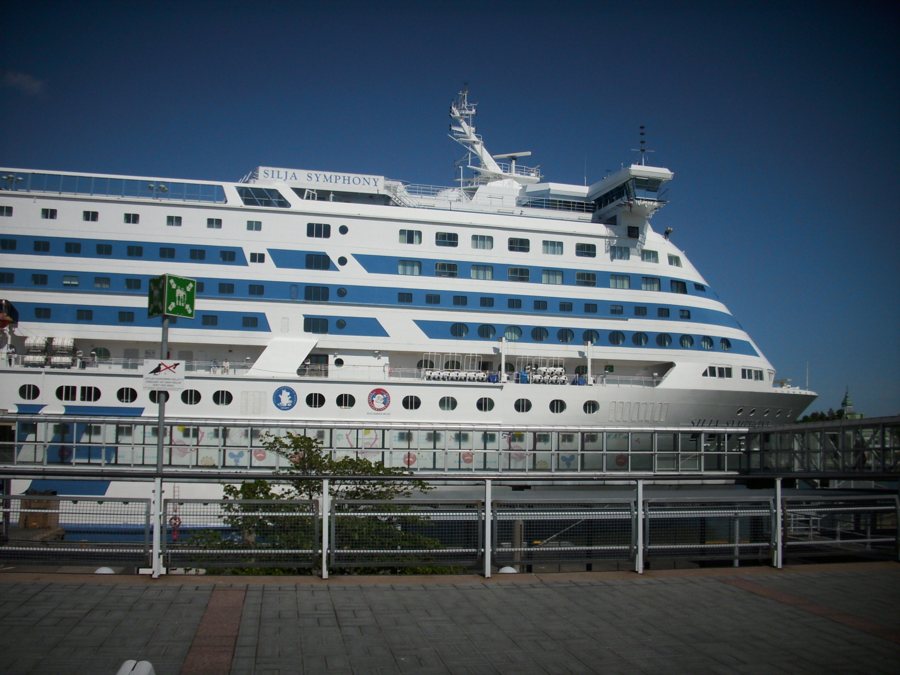
Port services for cruise ship calls: fresh water, provisions and waste
During a port call, a cruise ship can use shore-side services for supplies and waste disposal. Potable water is brought on board through a connection from the quay; provisions and materials are arranged as deliveries. In the other direction, waste or wastewater can be handed over at collection points. Each operation is arranged as a separate service and may have its own responsibilities.
Supplies on board
The Port of Helsinki lists drinking water as a separate service for ships. According to the port, water is available at all its quays, and the connection is set up at an agreed time. The stated pumping capacity ranges from 50 to 150 cubic metres per hour, depending on the quay. The port names South Finland Port Services and Nordic Port Services as suppliers to ships. This highlights two parts of the operation: the connection at the berth and the provision of the water. The capacity figures apply to Helsinki and already vary from one quay to another.
Provisions and materials are arranged separately from the water connection. Ordering, delivery and handover depend on the services offered by the port in question and the suppliers contracted.
Waste and wastewater
In Helsinki, the port accepts oily waste, black water, grey water and solid waste from ships. According to the port, the waste is then handled appropriately by a waste management company. Wastewater can be discharged directly into the sewer network at any of its quays and sent for treatment by the Helsinki Region Environmental Services Authority. Disposal routes therefore differ depending on the type of material: water can flow away through a pipeline, while solid or oily waste is collected and processed separately.
To use its waste services, Helsinki requires a waste notification before arrival. This notification is a separate organisational step from the actual connection or handover at the quay. Acceptance requirements, reporting procedures and processes are set out in each port’s service information.
Distinguishing between services
When planning a port call, it helps to distinguish services by direction and operation: fresh water and deliveries come on board, while waste and wastewater are handed over to shore-side collection or disposal facilities. For water, the quay and berth, connection time and available pumping capacity are relevant; for waste, the type of material and advance notification matter. Provisions, materials, water and waste may involve different providers or responsible parties. Port information describes a location’s infrastructure and available services, while specific orders and handovers are arranged separately.
Photo: www.neandertours.de
