
Destinations | Cruise ships | Ports for your cruise | Cruise lines | Cruise Tips | Cruise Photos | Cruise News
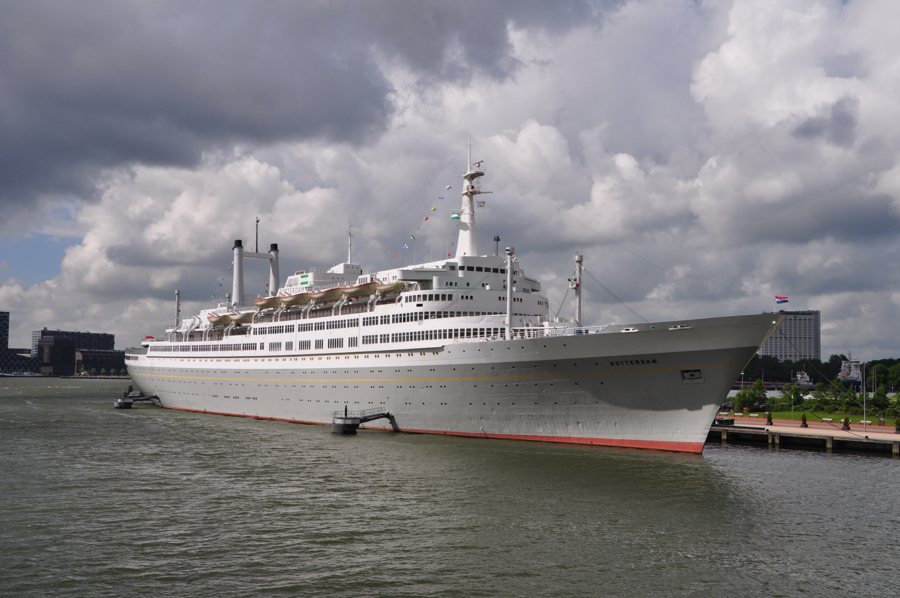
From Passenger Crossing to Holiday at Sea
For a long time, a sea voyage was primarily a way to reach a destination. Passenger liners connected established ports; people travelled for business, emigrated, or used the ships for mail and transport links. Since the mid-19th century, liners had been an important means of travel for migration to Australia. The fact that a crossing could also offer pleasant hours on board did not automatically make it a cruise: what matters is whether reaching a destination is the main purpose, or whether the voyage itself, with its stopovers, constitutes the holiday.
Liner service and cruising: different purposes
An ocean liner was intended to carry people regularly between ports, often alongside mail or cargo. Its schedule and route were determined by this traffic. Comfort and social life on board could be part of the experience, but remained secondary to a journey whose destination was on land. By contrast, a cruise is planned as a continuous holiday experience: the ship may return to its port of departure, call at several places, and include shore excursions. The distinction is not always clear-cut. An existing passenger ship could be used for a round trip without losing its former role as a liner. For a technical overview of propulsion in passenger transport, see the article Sailing Ships, Steamships and Motor Propulsion.
Winter voyages supplemented liner services
A specific example comes from Hapag’s operations in the 1890s. In the winter of 1889–90, Augusta Victoria and Columbia were temporarily idle because of insufficient demand for North Atlantic service. Even an unused ship incurred costs; it was also difficult to retain experienced crews. Albert Ballin, then director and head of the passenger department, therefore organized a round trip from Cuxhaven to the Mediterranean and back. It began on 22 January 1891 and reached Cuxhaven on 21 March. A total of 241 people were booked for the voyage and the local shore excursions. Further winter voyages followed.
The liner fleet, which was underused seasonally, was thus also put to work on a multiweek voyage with excursions. These cruises supplemented regular crossings and opened up an additional holiday-travel business for the shipping company. For further context on the ships and their era, see Historic Passenger Ships as Testaments to Their Time.
Air travel changed the Atlantic liner routes
Liner services and holiday voyages at sea coexisted during the 20th century. By 1957, aircraft had become the preferred means of crossing the Atlantic. Shorter journey times and falling prices made air travel accessible to more people. As air travel became more affordable, the popularity of ocean liners declined considerably by the end of the 1960s. At a cruise port, too, a stopover, an extended stay, and a passenger changeover serve different purposes. These are explained in the article Port Calls, Transit and Turnaround. The shift towards holidays at sea was therefore a gradual expansion and reorientation: the ship remained a means of transport while also becoming part of the holiday itself.
Photo: Karin Höll
