
Destinations | Cruise ships | Ports for your cruise | Cruise lines | Cruise Tips | Cruise Photos | Cruise News
Terminal, Quay, Pier, and Berth: Cruise Port Terms
As they make their way through a port, travelers encounter the words terminal, quay, pier, and berth. They refer to different things. Knowing the difference helps pinpoint a location: a building used for passenger processing is not automatically the place where a ship docks, and the name of the docking facility may not be the ship’s assigned berth.
The building is not the docking facility
A terminal is a facility used for passenger processing or other port operations. It may include buildings and associated transport areas. The term primarily describes a function. A terminal may be right on the waterfront or separate from the place where the ship docks.
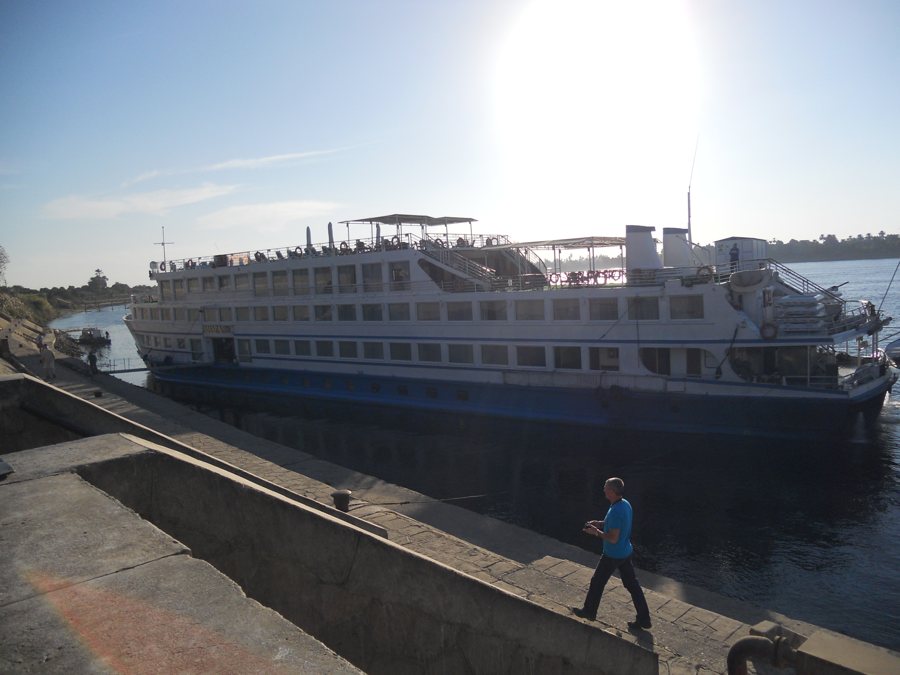
A quay is a reinforced stretch of waterfront where ships can dock and cargo or passengers can be transferred. A pier extends from the shore into the water and provides docking space along its sides. Both terms refer to structures, but their precise usage varies by region and port. On maps and signs, the specific local name is therefore what matters—not an assumed distinction that applies everywhere.
A berth is the ship’s specific position
A berth is the position assigned to a ship in a port. It may be at a quay, alongside a pier, or at another designated facility. “Berth” therefore does not refer to the passenger building, but to the ship’s place in the port. A single quay may have several berths; conversely, a berth may be identified more precisely on a plan by a number or code.
The Hamburg Port Authority describes a berth-approval process for seagoing vessels. For cruise ships, it names Cruise Gate Hamburg as the operator of the cruise terminals and the organization responsible for assigning berths. This example shows that terminal operations and berth allocation are connected, but remain separate tasks. A general terminal address therefore does not always give the ship’s exact position.
How to read a port map and plan your arrival
A port map brings the different elements together: it may show terminal buildings, quays or piers, access routes, and individual berths separately. For orientation, first check whether a location refers to the passenger-processing facility, the physical docking structure, or the ship’s position. The city name narrows down the port; a terminal name identifies the passenger-processing facility; a quay or pier reference gets you closer to the structure; and a berth code identifies the assigned spot.
This distinction is also useful when planning your route. The distance between a terminal and a docking facility varies, and a terminal’s name does not tell you which side of a pier a ship is on. When traveling to a cruise port, the location details for the specific departure are therefore what matter. The respective roles of the port authority and terminal operator explain why port infrastructure and passenger processing do not necessarily refer to the same place. The differences between a cruise port, passenger port, and ferry terminal also help you identify a port facility by its function.
Photo: Angelika + Peter Baczkowski
