
Destinations | Cruise ships | Ports for your cruise | Cruise lines | Cruise Tips | Cruise Photos | Cruise News
Small Ships and Large Cruise Ships
The size of a cruise ship affects the number of guests, the onboard offerings and how far they have to walk. However, choosing a ship also depends on its specific layout, itinerary and occupancy, as well as its capacity.
Capacity and getting around
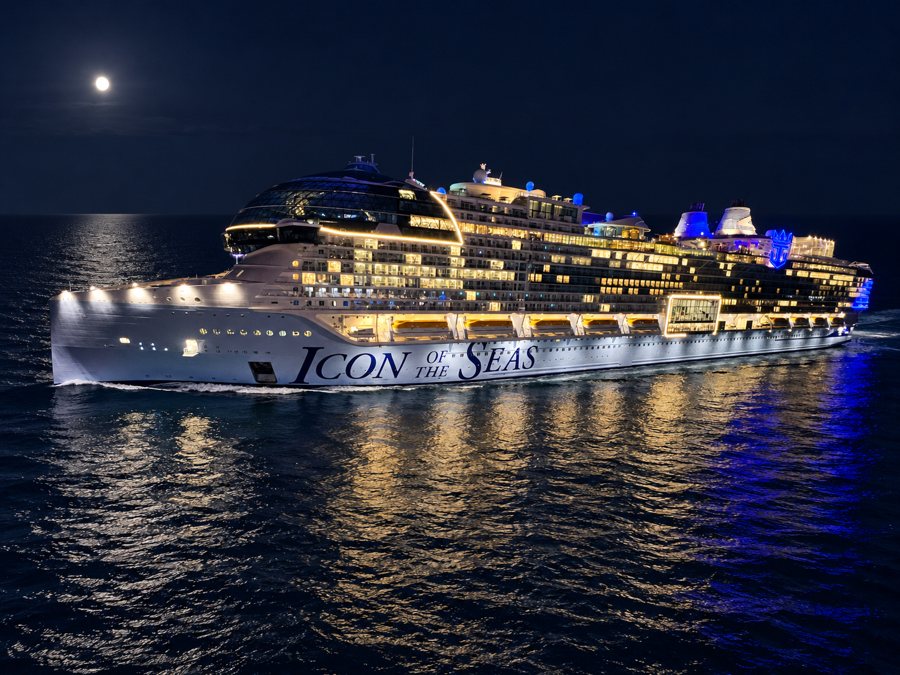
Two examples illustrate the range: Viking described its river fleet, designed for European waterways, as carrying up to 190 guests per ship for the 2024 season. Royal Caribbean lists the Icon of the Seas as accommodating up to 7,600 guests and having 20 decks. These figures refer to specific fleet and ship examples, not to generally applicable size categories. With many decks and guests, cabin location and the distances between areas become more important; on a smaller ship, distances may be shorter. The actual ship dimensions and deck plans provide more insight than the labels “small” or “large.”
Onboard offerings and interests
A larger ship can offer space for a wide range of facilities; with its 20 decks, the Icon of the Seas is an example of a very large ocean-going ship. However, restaurants, pools, shows and leisure areas vary from ship to ship. A more compact ship may have fewer areas, but shorter distances between them. Compare the specific facilities with what you would like to use on board. A fleet and its composition also do not automatically indicate which facilities an individual ship has.
Port options and itinerary
River ships are designed for inland waterways; ocean-going ships connect ports by sea. Possible ports of call depend not only on a ship’s dimensions, but also on the waterway, port facilities, safety conditions and travel planning. A small ocean-going ship is therefore not directly comparable to a river ship. For a technical measure of size, it is also useful to look at carrying capacity and deadweight: this measure of mass is different from capacity in terms of guests or from dimensions.
What size suits your priorities?
Compare capacity, deck plan, cabin location, distances to the areas you want to visit, itinerary and port access. If you want to use a wide variety of onboard areas, compare their specific facilities; if you prefer a particular itinerary or shorter distances, look at suitable smaller ships. The key factors are the characteristics of the ship and the voyage in question.
