
Destinations | Cruise ships | Ports for your cruise | Cruise lines | Cruise Tips | Cruise Photos | Cruise News
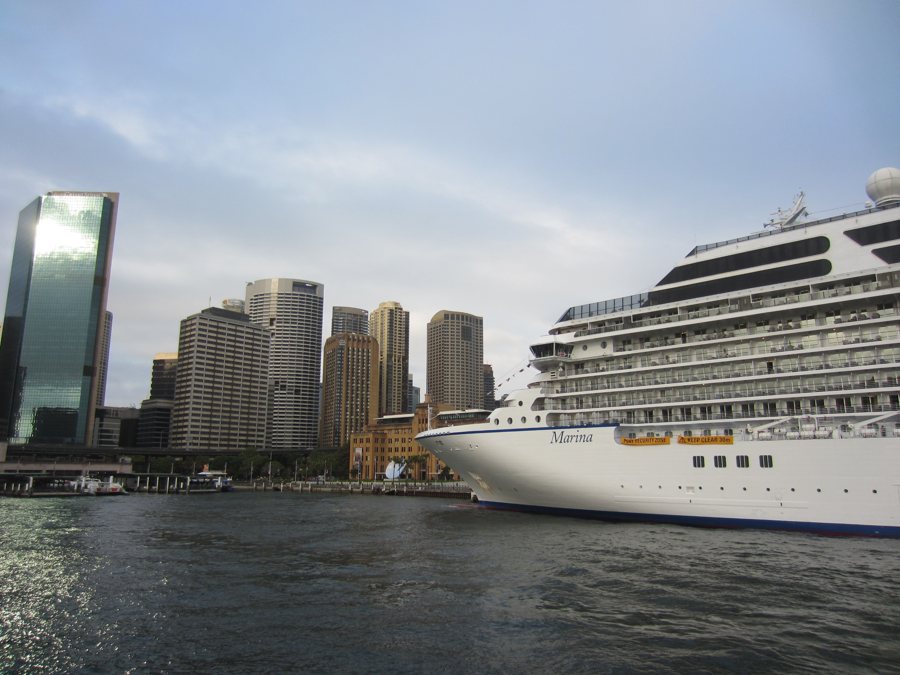
Cruise line, operator and brand: Who does what?
For a cruise ship, the owner, operator, technical manager and public-facing brand may refer to different roles. A cruise line may take on several responsibilities at once, but the terms are not automatically interchangeable. To understand the distinction, it matters whether the subject is ownership of the ship, responsibility for its operation or the name under which the cruise is marketed.
Roles on a ship
The owner is the legal entity that owns the ship. Ship registers and documents may also identify a “registered owner.” The IMO maintains permanent identification numbers for ships, as well as a separate numbering system for companies and registered owners. These numbering systems help distinguish ships from companies; on their own, they do not establish operational responsibility or liability.
A manager may perform duties for a ship without owning it. The specific role depends on the responsibilities assigned. The Maritime Labour Convention (MLC) uses the term “shipowner” in a particular sense for the purposes of its requirements: in addition to the owner, it may include an organization or person such as a manager, agent or bareboat charterer. This applies if that party has assumed responsibility for the ship’s operation from the owner and agreed to take on the relevant duties and responsibilities under the MLC.
This MLC definition applies within the scope of the Convention. The party responsible under this definition remains accountable for MLC duties even if other people or organizations perform particular tasks on its behalf.
Operation, cruise and brand
The operator organizes or is responsible for the operation of the ship. The company in this role may be different from the registered owner. A management company may, in turn, handle specific activities; the label “manager” alone does not indicate whether it owns the ship or bears overall responsibility under the MLC.
The brand is the name under which a cruise is marketed and presented to guests. It is an easily recognizable reference point for the travel product, but it does not prove that the same company owns or operates the ship. A corporate group may include several brands and legally separate companies. Ownership, operational responsibility and branding can therefore be considered three distinct questions, even when one company serves in more than one role.
A cruise brand and its corporate group represent different levels of a company’s public profile. For a ship, it is important to distinguish ownership and registered owner from the responsibilities of ship management and technical operations.
Distinguishing roles and identifiers
A ship’s name, IMO ship number, owner identification, operator and brand do not describe the same thing. The IMO number identifies the ship; company identifiers refer to legal entities. An identification number can therefore help establish which entity is involved, but it does not replace a description of the role the company actually performs. In everyday usage, the term “cruise line” may also encompass several of these functions.
The distinction is clearest when a statement names the specific role—for example, registered owner, party responsible for operations, technical manager or public-facing cruise brand. This avoids inferring different responsibilities from a shared company name or logo.
Photo: Markus Lenk
