
Destinations | Cruise ships | Ports for your cruise | Cruise lines | Cruise Tips | Cruise Photos | Cruise News
Mooring in Port: Bollards, Fenders and Mooring Lines
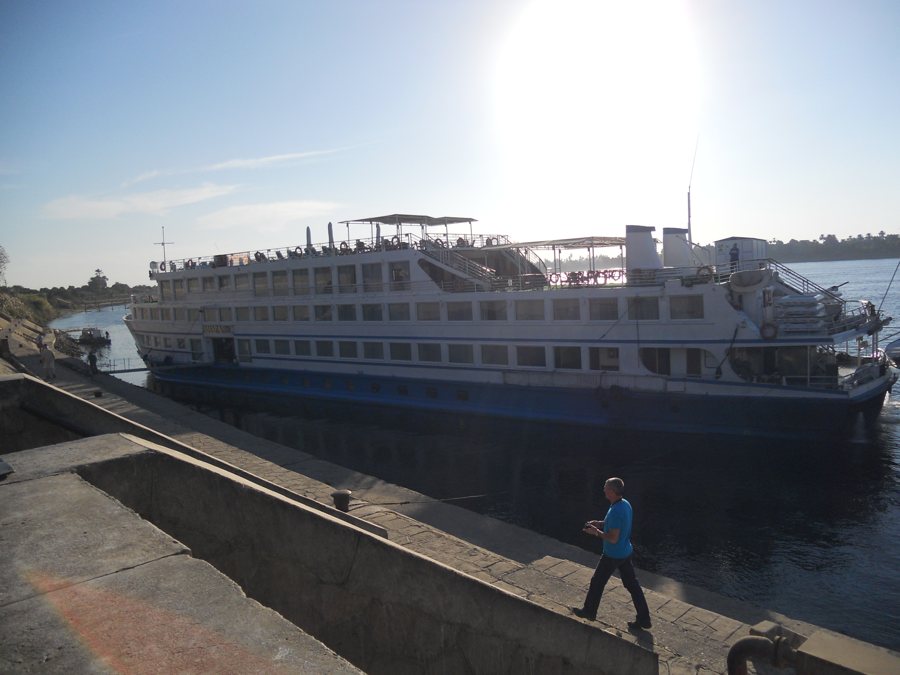
When a vessel is moored at a quay, mooring lines, bollards and fenders each perform different but coordinated roles. The lines connect the ship to shore, bollards provide fixed attachment points, and fenders form a protective layer between the ship and the port structure. The vessel is not held in place by a single component: what matters is how the equipment aboard and at the berth works together.
Three coordinated functions
- Mooring lines connect the ship to shore-side attachment points and limit its movement at the berth. Wind, currents, tides and water levels affect the forces on them.
- Bollards are fixed attachment points on the quay. Their load capacity and anchoring must be suitable for the particular berth and the forces it is likely to experience.
- Fenders absorb contact forces between the ship and the port structure. They are installed on the quay or, when needed, placed between the ship and the structure, helping to reduce direct impacts on the hull and the infrastructure.
These components form part of a system: aboard the ship, this includes equipment such as winches, bollards and fairleads; ashore, it includes the relevant attachment points and fenders. Safety depends on the entire mooring system, including its connections and the forces acting on it. These forces can change as the water level or the ship’s position changes.
Why this is not a job for passengers
Mooring puts considerable forces on lines and equipment. A line can catch on a structure on the quay, such as a fender. If it suddenly comes free, it can snap taut. For this reason, the work is carried out by the crew and trained port personnel; passengers should stay clear of the work areas.
The Port of Heraklion is an example of how port facilities vary and accommodate ships of different sizes. The port directory lists more ports and their facilities. Ship length, beam and draft also vary by vessel type; the overview of cruise ships explains these differences in size and design.
Facilities at a particular berth
A berth is designed for local conditions and the vessels expected to use it. As a result, the number and arrangement of lines, the attachment points used and the fendering can vary from port to port. At any given berth, several lines, attachment points and fenders work together. The three terms describe different functions within a coordinated process carried out by the crew and port personnel.
Photo: Angelika + Peter Baczkowski
